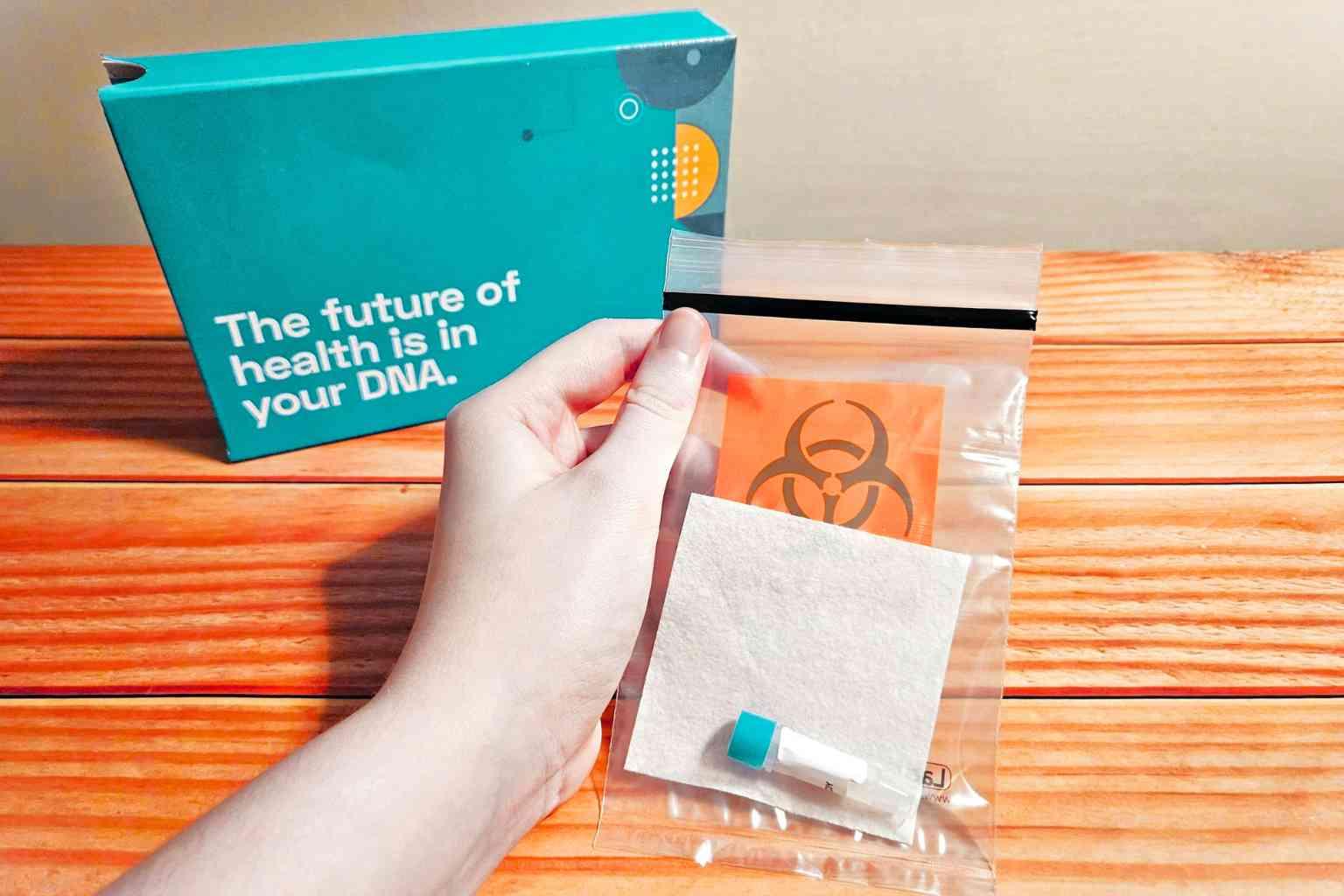
Healthcare is getting more personalized than it has ever been. Rather than being satisfied with generic health advice, people now want semi personalized recommendations based on their own specific genetic material. And this trend has given rise to rapid expansion of at home DNA health testing. Through taking an easy saliva sample, people can learn about their own genetic traits, disease risks, responses to nutrition and more. With advancing technology and a growing awareness, at home DNA tests are becoming mainstream.
1. What Is At Home DNA Health Testing
Home DNA testing works by using a kit to collect a saliva sample and posting it to a laboratory for genetic analysis. The results are sent to you electronically often via an app, or secure website. These tests are limited to health insights, not ancestry alone.
2. Personalized Health Insights
Personalization is perhaps the most compelling feature of DNA health testing. And in lieu of broad advice, users get reports built around their genetic markers. This could mean evidence of metabolism, vitamin uptake, or susceptibility to some ailments.
3. Early Awareness of Genetic Risks
DNA tests can reveal genetic mutations that are associated with conditions like heart disease, diabetes or some cancers. They don’t mean that an individual will develop such condition, but offer early knowledge. This in turn enables people to take preventive actions concerning their lifestyle.
Some potential advantages of early genetic knowledge are:
- Better preventive planning
- Informed medical discussions
- Personalized diet recommendations
- Early lifestyle adjustments
- Improved long term health monitoring
Knowledge supports proactive health decisions.
4. Nutrition and Fitness Optimization
Several DNA tests evaluate how the body processes carbohydrates, fats, caffeine or types of exercise. These findings allow people to mold workout and diet regimens more closely to their genetic make-ups.
5. Accessibility and Convenience
Do it yourself DNA tests at home are simple to use. It takes a few minutes to collect the sample. You won’t be forced to go to a hospital or have any invasive therapy done in your body. This ease of use opens up genetic testing to a larger number of people.
6. Integration With Digital Health Apps
The latest-player in the space, modern DNA testing services are consumers’ new best friend when it comes to their genetic information because they work with mobile apps and wearables.
- Continuous health tracking
- Personalized wellness recommendations
- Genetic-based goal setting
- Data sharing with healthcare providers
- Progress monitoring over time
Digital integration enhances usefulness.
7. Privacy and Data Security Concerns
As convenient at-home DNA testing is, it does raise privacy issues. Genetic data is highly sensitive. Firms have strict security procedures and clear policies to safeguard customer details.
8. Limitations of DNA Health Testing
DNA testing offers risks, not diagnoses. Outcomes are also affected by environmental issues, lifestyle choices and general health. It should be in addition to professional medical advice, not instead of it.
9. Growing Consumer Awareness
Interest in genetic testing is increasing with the ever-present emphasis on health. Social media, health “influencers” and digital health platforms help fuel the rising awareness of personalized medicine.
10. The Future of Personalized Healthcare
Home DNA health testing is a foray into precision medicine. Genetic information could also lead to more personalized treatments and prevention strategies in the future. As prices drop and testing quality improves, individually tailored genetic information not only could be the future of medicine it might be widely available.
Key Takeaways
Around the clock DNA health testing is ‘exploding’ in popularity, and you can do it from your bath towel. It gives people the insight they need to understand genetic risks, eat and exercise better and make proactive health choices. Privacy and restrictions aside, we all know that genetic testing is playing a critical role in the future of personalized medicine.
FAQs:
Q1. Is home DNA testing accurate?
It is generally good for finding genetic markers, however it is not a replacement for medical advice and diagnosis.
Q2. Can genetic tests reliably predict the diseases a person will develop?
No, they describe levels of risk, not sure things.
Q3. Is my genetic data safe?
Legitimate operations use encryption, but users should read privacy policies carefully.
Q4. How long before I see results?
The results usually come back within a few weeks.
Q5. Do I need to see a doctor once I get my DNA results?
Yes, you should talk to a doctor about those results.