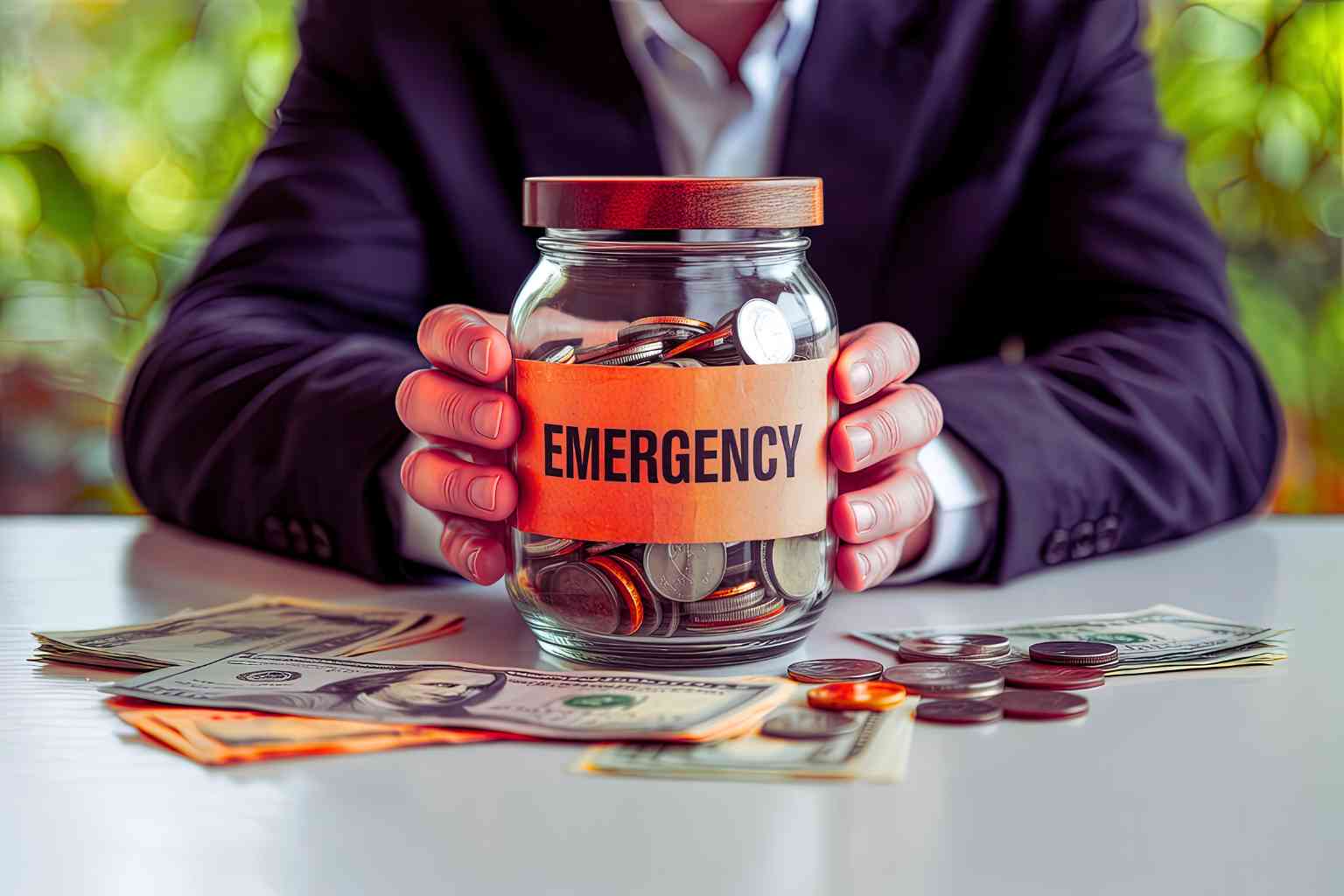
Life is unpredictable. Job loss, medical emergencies, unforeseen home repairs or economic downturns can occur with little warning. In today’s fast moving and unpredictable world, financial stability relies not only on income but also preparedness. And that is why emergency funds are increasingly important. The emergency fund is a financial safety net to help you deal with unexpected expenses without going into debt, and avoiding the psychological impact of financial stress.
1. What Is an Emergency Fund
An emergency fund is cash saved for unexpected things. It is not for shopping, travel or pre-planned expenses.” It is meant for a true emergency, like medical expenses or critical home repairs, or for sudden loss of income.
2. Protection Against Job Loss
Economic shifts, as well as industry transitions can result in sudden layoffs. An emergency fund serves as back-up income during job hunting. “That helps to take the pressure off, and it leads you into allowing for good decision making rather than this panic of having to take something that may not be suitable.”
3. Managing Medical Emergencies
Healthcare costs can rise quickly. With insurance however, there can be out of pocket costs. An emergency fund provides the ability to pay for unexpected medical expenses without having to use credit cards or take out loans.
The general benefits of having hospital outpatient insurance coverage that helps pay for medical expenses are:
- Immediate access to funds
- Reduced borrowing stress
- Faster treatment decisions
- Financial peace during recovery
- Avoidance of high interest debt
Preparedness protects stability.
4. Avoiding High Interest Debt
Without a savings cushion, people typically rely on credit cards or personal loans when they are faced with financial emergencies. They come with interest rates that are sky-high. An energy fund clears the way for a future free from costly debt.
5. Building Financial Confidence
You know you have a cushion to fall back on gives some peace of mind. Financial stability builds confidence and lessens anxiety about the uncertain.
- Improved peace of mind
- Better financial discipline
- Reduced financial stress
- Greater independence
- Stronger long term planning
Confidence supports better decisions.
6. Handling Unexpected Repairs
Cars get flat tires and home appliances break. Monthly budgets can be affected by unexpected repair costs. And when something goes wrong with the car, a little extra saved up can mean that financial plans aren’t derailed.
7. Supporting Economic Uncertainty
The global economy and markets can move fast. Financial stability can be influenced, by inflation, recession or an increase in living costs. Emergency reserves are your cushion in uncertain times.
8. How Much Should You Save
The general recommendation from financial advisers is to save three to six months’ worth of living expenses. How much is enough might depend on job security, family size and monthly obligations. Small beginnings and gradual growth are pragmatic.
9. How to Create an Emergency Fund
You need get in the habit of building an emergency fund. Those monthly transfers into a separate savings account put discipline in motion. Trimming any nonessential spending can help savings grow even faster.
10. Long Term Financial Security
This is the bedrock of a solid financial plan. Before you start on investing or for more risky opportunities, safe savings are the key to security and flexibility.
Key Takeaways
Having some #EmergencyFunding helps to protect you against being laid off, a medical emergency or a car repair. They decrease exposure to high interest debt and provide peace of mind in an uncertain time. Establishing an emergency fund is the most important step towards long-term financial stability and peace of mind.
FAQs:
Q1. What is an emergency fund?
It’s money put by for a rainy day.
Q2. How much money do I need in an emergency fund?
Three to six months of living expenses is a typical recommendation.
Q3. How should I set up my emergency savings?
In a different, more accessible savings account.
Q4. Can I tap my emergency fund to take a vacation?
Not much of it, no; only in real emergencies.
Q5. How long does it take to save for an emergency fund?
That is relative to income and saving habits, but the steady pebble in the stream can help.