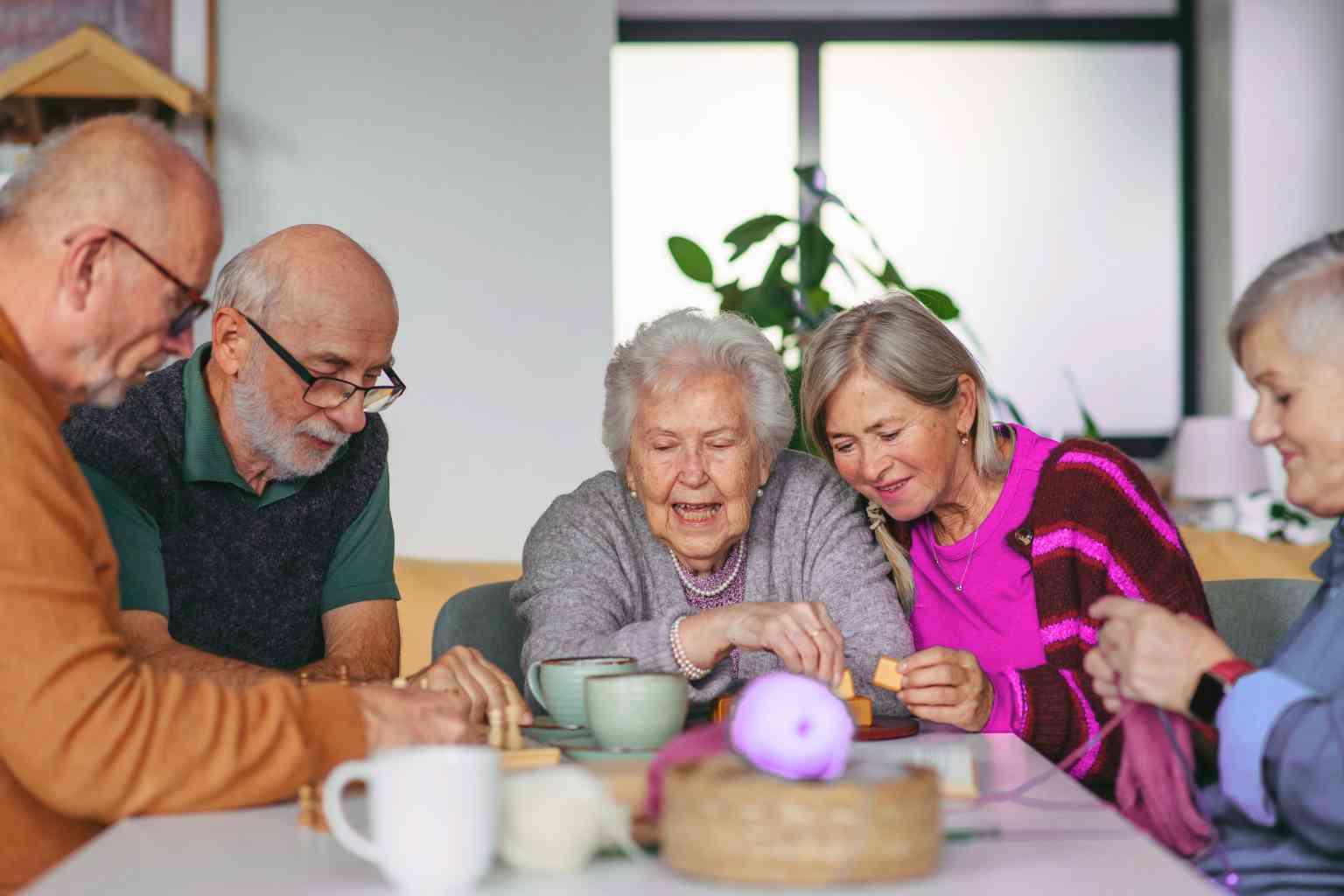
As of late, people have been looking for more than just a place to live or work. They crave connection, shared experiences and a sense of belonging. This evolution has sparked the growth of lifestyle communities and clubs at an accelerated pace. From co living spaces and wellness groups to selective social clubs and hobby based communities, these environments are built around common interests and values. In 2026 lifestyle communities are proving to be a force in modern living.
1. What Are Lifestyle Communities
Lifestyle communities are groups or neighbourhoods that share the same interests, values and pastimes. The content can range from fitness, to entrepreneurship, to sustainability, creativity and luxurious living. The connection is not just to the facilities, but also to the experience and stroking.”
2. Why People Crave Community
We are more connected on screen and less connected off of it. There are real-life communities for support and companionship. Shared experiences create greater intimacy than casual online discussions.
3. Trending: Co Living and Shared Spaces
Co living has expanded in city spaces. Such places have private rooms sharing the common space (kitchens, communal lounges and workspaces).
The benefits of co-living are numerous:
- Reduced living costs
- Built in social network
- Shared amenities
- Flexible lease options
- Collaborative environment
This model is ideal for young professionals and remote workers.
4. Wellness and Fitness Focused Clubs
Health-focused lifestyles have driven an emergence of wellness communities. Yoga studios, running clubs or meditation groups and gym based memberships provide more than just exercise. They create accountability and encouragement.
5. Professional and Networking Clubs
Business owners and professionals are participating in curated networking groups.
- Skill sharing opportunities
- Business collaboration
- Mentorship access
- Exclusive events
- Career growth support
These associations are part social, part professional.
6. Hobby Based and Creative Groups
Book clubs and photography circles, the hobby communities continue to grow. Fulfillment for them is making a connection with someone who gets into the things only they get into.
7. Luxury Lifestyle Communities
Luxury home communities with amenities now rival the best resorts. Club lounges, private dining rooms and programmed events foster a residence’s social atmosphere.
8. Digital Platforms Supporting Offline Communities
Technology certainly streamlines membership, event scheduling and communication. Apps and online groups facilitate face-to-face connections, easing the coordination.
9. Mental Health and Belonging
Social isolation increases loneliness and emotional disturbances. Mental health is helped by shared experiences and support networks.
10. The Future of Community Living
Lifestyle communities probably will continue to grow, as those of us who value real connections put more emphasis on their importance. The future might merge homes, health, workplace and socializing into whole lifestyles.
Key Takeaways
- Groups like lifestyle community are on the rise because people want a sense of belonging and share experiences..
- Co living and wellness clubs offer both practical and emotional benefits.
- Professional and interest groups promote both personal and professional development.
- Social connections and mental well-being are facilitated through communal dwelling.
- The future may see more integrated living spaces driven by shared values.
FAQs:
Q1. What is a lifestyle community?
The word refers to a shared living arrangement or group, organized around a common set of beliefs or interests.
Q2. Why are lifestyle communities so popular?
People are craving stronger connections and more meaningful experiences.
Q3. Are co living spaces affordable?
They can cut costs by sharing amenities and common areas.
Q4. Can Lifestyle Clubs Further Your Career?
Yes, there are plenty of professional communities that provide networking and mentorship.
Q5. Are lifestyle communities only for young members?
No, they cater to different age ranges and tastes.