Fats were taboo for a long time, and the ones we wanted to avoid. But contemporary nutrition science reveals that not all fats are unhealthy. In additon, good fats are necessary for your brain to function properly. The brain is composed of almost 60 percent fat, and it requires certain types of fats to function optimally. From memory and concentration to mood and mental clarity, healthy fats are no longer just “fatty” foods that make up the composition of your brain.
1. The Brain Is Built From Fat
Indeed, fats and fatty acids are key structural components of the brain. Brain cell membranes require healthy fats to remain flexible and work properly. With the wrong fats, communication between brain cells goes awry and can even reduce your powers of thinking and concentration.
2. Omega 3 Fatty acids and Your Brain
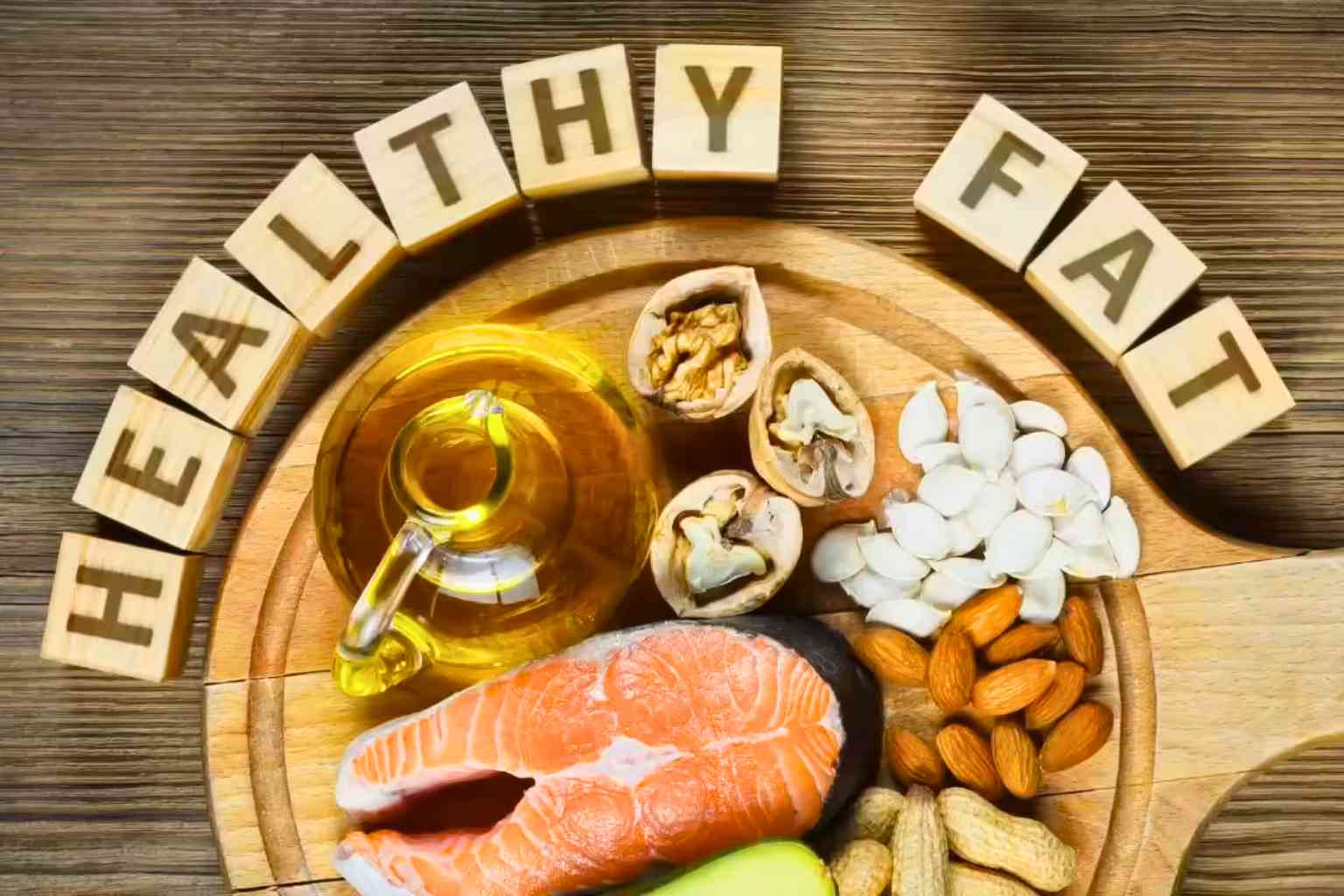
Omega 3 fatty acids are one of the most essential fats for brain health. They help with learning, memory and overall brain function. These good fats are found in fatty fish, including salmon, walnuts, flax seeds and chia seeds.
3. Supporting Memory and Focus
Healthy fats optimize the functioning of brain cells. This helps your memory and concentration. Folks consuming plentiful omega 3’s and other good fats usually have sharper minds and retard mental decline over time.
4. Role in Mood Regulation
Fats play a role in creating key brain chemicals that impact mood. A deficit of healthy fats has been associated with increased risk of anxiety and depression.
Key mood supporting benefits include:
- Improved serotonin balance
- Reduced inflammation in the brain
- Better stress response
- Enhanced emotional stability
- Peace of mind
Balanced nutrition supports emotional health.
5. Reducing Brain Inflammation
Persistent systemic inflammation can impair brain function. Fațe sănătoase, mai ales omega 3-uri, sunt antiinflamatoare. They shield brain cells from damage and may protect against neurodegenerative diseases.
6. Supporting Brain Development in Children
Especially during pregnancy and in childhood, healthy fats are vital.
- Aid in brain cell growth
- Support nerve development
- Improve learning ability
- Enhance concentration
- Add to overall long term brain power
Sufficient fat consumption in early life aids the growth of a healthy brain.
7. Energy Source for the Brain
The brain is an energy-hungry organ. Glucose can be a main fuel, but some fats are able to help with brain energy, particularly during fasting or with low carbohydrate diets. This helps maintain mental alertness.
8. Protecting Against Cognitive Decline
Some research indicates that a diet high in fats that are healthy may also protect against age related cognitive decline. Eating healthy fats such as olive oil, nuts, seeds and fatty fish helps the brain over time.
9. Selecting the Appropriate Fats Types
Not all fats are equal. ” on unsaturated fats (think fish, avocados and nuts). Trans fats and over consumption of saturated fat should be minimized. Balance is the key to retaining both our brain and heart healthy.
10. Building a Brain Healthy Diet
The inclusion of good fats in your everyday meals is not difficult. Add oats to breakfast, cook with olive oil, eat fish regularly and snack on nuts. Brain performance can be greatly improved over time with small changes.
Key Takeaways
There is the need for healthy fats to provide structure to the brain; promote memory, focus and mood regulation. Omega 3 fatty acids are effective at decreasing inflammation and aiding in cognitive development of the brain and they also shield against mental decline. Trans Fat and Vaccines Source How Not to Die A healthy diet can revolutionize your health, but more research is needed before we know exactly what that would look like.
FAQs:
Q1. Is all fat good for your brain?
No, only good fats like omega 3 and unsaturated fats are helpful.
Q2. What are the foods high in good fats?
Great sources are fatty fish, avocados, nuts and seeds and olive oil.
Q3. Does a lack of good fat impact your mood?
Yes, you can feel mood or emotional changes at low intake.
Q4. How many times a day should I take omega 3’s?
Two to three times a week is the usually advice.
Q5. Is it important for children to consume healthy fats for brain development?
Yes, good fats are essential for brain developmental process.