Cities are booming all around the world. Demand for housing is rising with population growth, migration and economic development. Urban expansion itself presents opportunities, but it also increases property prices and the cost of living. Housing affordability has emerged as one of the most challenging aspects of urban sprawl. Governments, developers and urban planners are focusing on creative ideas to ensure people can reach affordable housing without sacrificing the quality of it.
1. Why Affordable Housing Is Critical
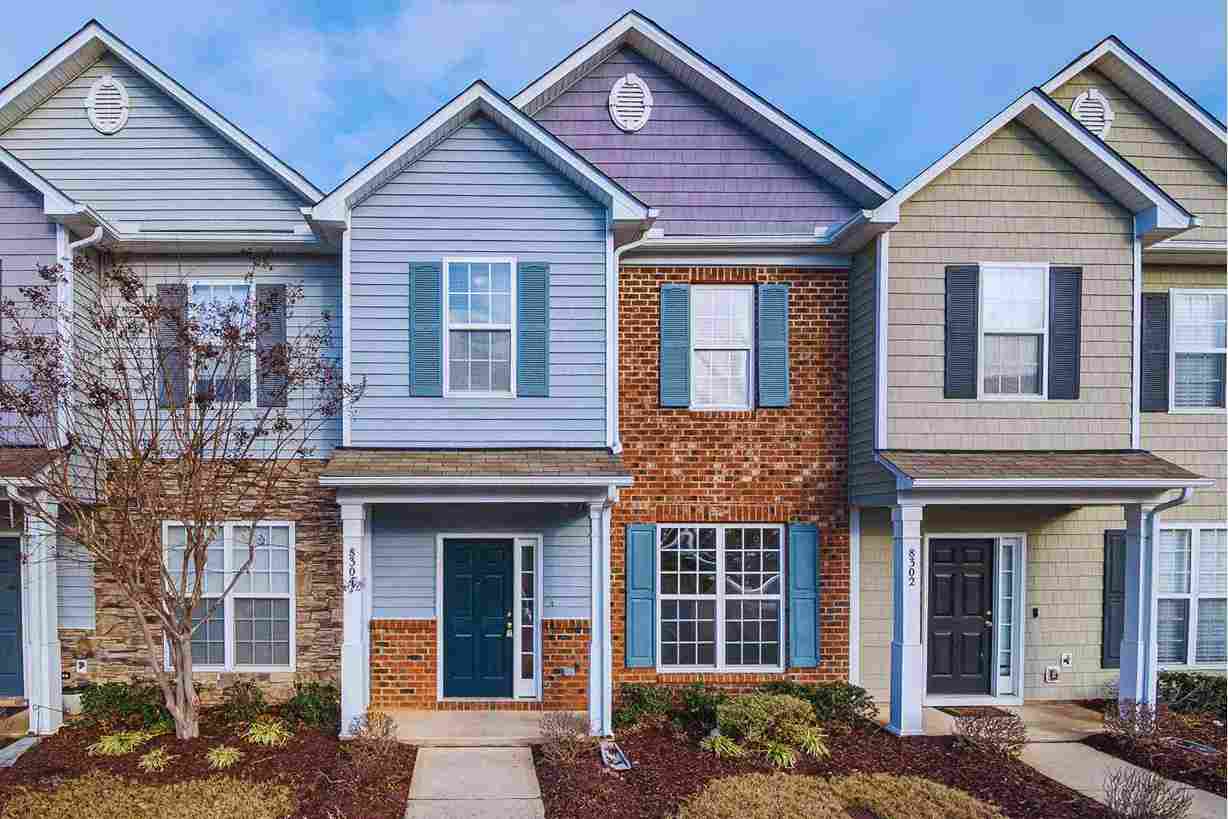
When housing is affordable, middle- and lower-income families are able to live in proximity to work, schools and health care centers. Without it, cities become more commuting bound, crowded, and unequal socially. Fair development demands the availability of affordable housing.
2. Impact of Rapid Urbanization
As cities grow, the price of land is often driven up rapidly. Healthy demand and tight supply are driving up property values. As a result, affordability gaps are created for many residents. Cities must also be careful to grow smartly and avoid housing shortages.
3. Government Policies and Incentives
Government is a big part of promoting affordable housing.
Key policy measures include:
- Subsidized housing schemes
- Tax benefits for developers
- Public private partnerships
- Land allocation for housing projects
- Rent control regulations
Supportive policies encourage construction.
4. High Density and Vertical Development
In order to use limited urban land resources, the cities are becoming more and more high-rising. Vertical housing increases the amount of supply without creeping outward too much. Good preparation maintains the facilities that are available.
5. Use of Innovative Construction Technology
Construction projects are becoming cheaper with the use of new building techniques.
- Prefabricated structures
- Modular housing systems
- 3D printed components
- Energy efficient materials
- Faster project completion
Innovation lowers overall development expenses.
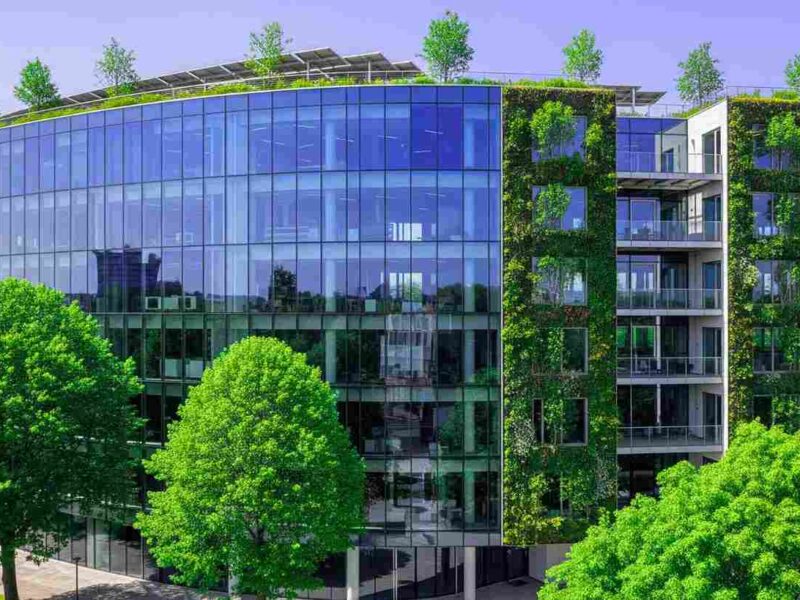
6. Smart and Sustainable Affordable Housing
Cheap housing doesn’t mean basic accommodation any more.” New developments feature energy efficient technologies, advanced utilities and green building design. That helps lower the cost of permanent residents’ cost of living.
7. Expansion Toward Suburban Areas
Increasingly, there is the impact of fast growing cities which spawn suburbs with different levels of access. In the areas, affordable housing projects draw the attention of buyers who seek cheaper prices and better living space.
8. Role of Private Developers
Private residential developers are being compelled to join affordable housing projects more and more. Financial aid and policy drive developers to balance commercial gain against social value.
9. Challenges in Maintaining Affordability
Affordability targets can be challenged by increased construction costs, the limitation of land availability and regulatory delays. Adding there must be continuous corrections, policy while project management effective.
10. The Future Outlook
Efficient urban planning, technology and inclusive governance hold the key to affordable housing. Cities, which are growing at rapid pace, should refocus on inclusiveness if they want to become sustainable. Decent, and not exoensive housing will form always a part of these urban strateties.
Key Takeaways
Low-cost housing is crucial for sustainable development of the cities. Cities on the rise are increasing in size and addressing this growth with high density construction, government incentives and ground-breaking building techniques. There are challenges, but planning and smart solutions can make housing accessible for future generations.
FAQs:
Q1. Why are affordable homes crucial in growing urban areas?
It’s a way of keeping middle and lower income residents in.
Q2. How do governments help with affordable housing?
By means of subsidies, tax breaks, and PPP deals.
Q3. Can technology reduce housing costs?
Yes, there’s the potential to reduce development costs with new construction techniques.
Q4. Are the suburbs included in affordability plans?
Yes, it makes suburban housing more plausible, but for good reason.
Q5. Is cheap housing still a priority?
Yes, yes it is – it’s the very definition of balanced and sustainable urban growth.