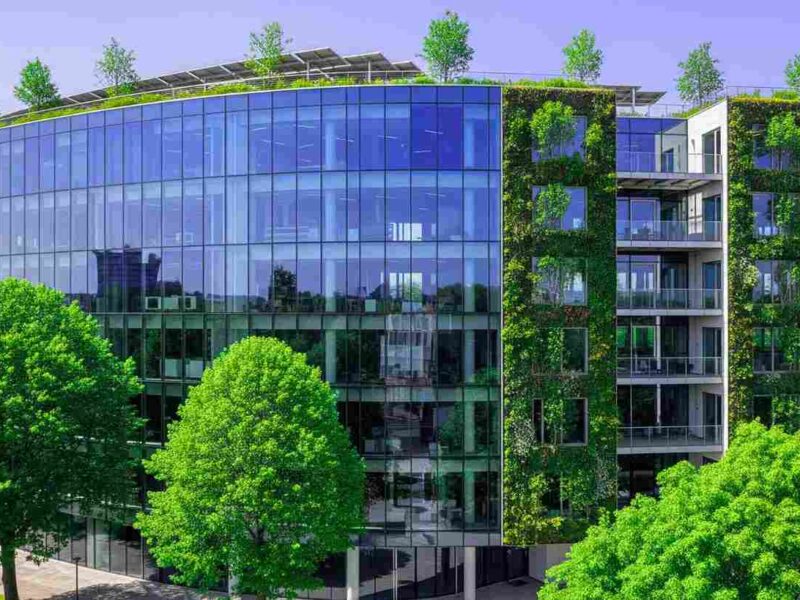
The rise of smart cities Cities in the future are designed to run efficiently on a network of digital systems. Green planning delivers an eco‑friendly lifestyle by reducing pollution and safeguarding nature; technology in government enables leaders to take faster, clearer decisions. Together, this new way of thinking gives rise to smart cities that change life for the better and redraw property markets, attracting investors, builders and homebuyers in search of an edge in these modern spaces.
1. What Makes a City Smart
A smart city leverages technology to make transportation, utilities and waste systems better as well as everything associated with the public good. High-speed internet, digitalised governance systems, smart transport solutions and greener infrastructure are part of the mix.
2. Improved Infrastructure Drives Demand
Modern roads, metro systems, dependable utilities and green open space is what smart cities aspire to. Better infrastructure more livable place; people and businesses come.
Key infrastructure benefits include:
- Reduced traffic congestion
- Efficient public transport
- Reliable electricity and water supply
- Clean and organized public spaces
- Sustainable energy systems
Better infrastructure increases property demand.
3. Commercial and IT Hubs Development
Business districts and technology parks play a major role in smart city planning. These commercial magnets fuel job growth, drawing professionals that need housing nearby. Job possibilities lead to increased demand for places to live.
4. Higher Investor Confidence
Smart cities are an indicator of development and government willingness for years to come. These are seen by investors as safe growth markets.
- Planned urban expansion
- Transparent governance systems
- Smart utility management
- Digital property services
- Long term infrastructure funding
Such factors reduce investment uncertainty.
5. Rise of Premium Residential Projects
Developers push modern homes in smart city areas. These developments often consist of smart home technology, security and green living designs. Higher income buyers are drawn to upscale developments.
6. Increased Rental Demand
The rental market is booming as professionals relocate to smart cities for jobs. Hotels in locales around metro, IT parks and commercial areas are likely to stay occupied as there is no limitation.
7. Sustainable and Green Living Appeal
Sustainable cities prioritize environmental factors such as green buildings, renewable energy and waste-management. Environmentally minded buyers like it that way, which drives up prices.
8. Digital Property Management
Smart cities provide online services like property registration, taxes and other civic services. This openness increases ownership convenience and builds market confidence.
9. Appreciation Potential in Emerging Areas
Infrastructure often has rapid growth once it becomes operational, so making the right calls early in building smart area zones usually pay back with significant financial mutual funds. Invest in early and take advantage of long-term price progression.
10. The Future of Real Estate in Smart Cities
With the rise in urban populations, smart cities may be even referred to as epicenters of economic development. The property market in these cities is anticipated to stay healthy as a result of tech integration, sustainable growth and livability improvements.
Key Takeaways
Smart cities transform real estate by enhancing infrastructure, driving migration for commercial growth, and inspiring investor confidence. Strong demand in residential and commercial is fueled by sustainably planned, digitally governed and much more livable urban centers. Smart city zones are also expected to remain the hotspots of development as it grows further.
FAQs:
Q1. What is a smart city?
It is a city that leverages technology and data to upgrade public services and infrastructure.
Q2. What are the impacts of smart cities on real estate prices?
Better infrastructure and job creation also lift demand, driving up property values.
Q3. Do investment in smart city projects make sense?
Yes, there is often some long term growth potential.
Q4. Are smart cities all about sustainability?
Yes, green energy and intelligent planning are critical pieces.
Q5. Where will smart cities lead property markets of the future?
Urban property growth is supposed to be their next big thing.