The construction industry is experiencing significant change as global priorities evolve with focus on climate change and environmental issues. Sustainability and green building are now mainstream. They are becoming indispensable towards today’s urban growth. With efficient design and green materials, our buildings reduce their impact on the environment and create healthier living spaces for owners. In 2026 and into the future, sustainability is becoming an integrated part of how buildings are designed, built and managed.
1. What Defines a Green Building
A green building is one that is designed to reduce the impact on health and environment by reducing energy, water, and resource usage. It includes an emphasis on lowering carbon emissions, preserving resources and promoting healthier indoor environments.
2. Energy Efficiency at its Core
Energy-saving construction is still the basis of an environmentally friendly building.
Key energy efficient elements include:
- Solar panels and other renewable energy equipment
- Smart HVAC systems
- LED lighting with automation
- High performance insulation
- Energy monitoring technologies
These characteristics bring down the running cost quite a bit.
3. Use of Sustainable Materials
Modern green buildings are constructed using environmentally responsible materials. Recycled steel, bamboo, low VOC paint and regionally available materials were all utilized to minimize the carbon footprint. Sustainable procurement also encourages environmentally friendly supply chains.
4. Water Conservation Innovations
The water efficiency aspect is gradually becoming an important issue in sustainable design.
- Rainwater harvesting systems
- Low flow plumbing fixtures
- Greywater recycling
- Smart irrigation systems
- Drought resistant landscaping
These solutions conserve valuable resources.
5. Smart Technology Integration
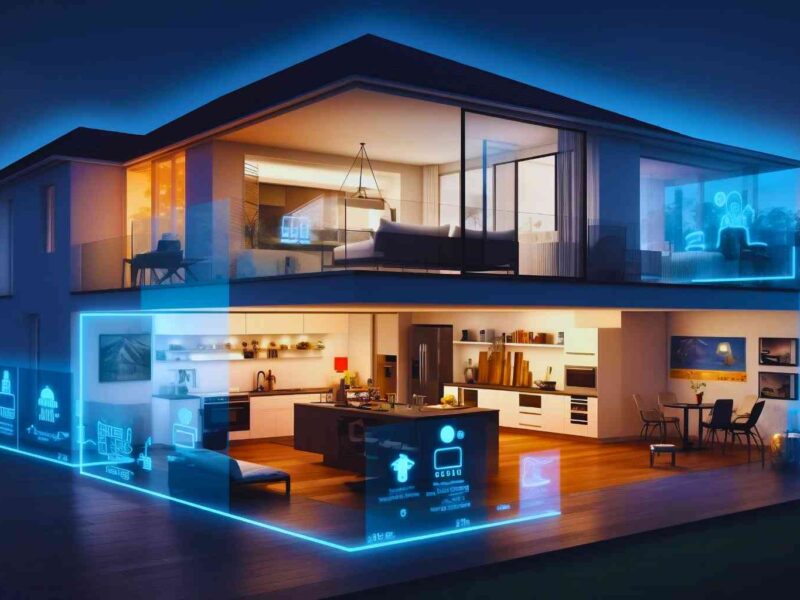
A smart building system minimizes energy consumption and controls the environmental performance. Lighting and temperature is controlled by automation, and optimized as per need/occupancy; thereby enhancing efficiency & comfort.
6. Healthier Indoor Environments
In green buildings, indoor air quality and natural lighting are highly regarded. Good ventilation, non toxic materials and daylight are conducive to occupant well-being + productivity.
7. Government Regulations and Certifications
Building codes and stimulus are used by many governments to promote sustainable building. Certification programs encourage green habits and add value to property.
8. Advantages of Saving Money and Long Term Savings
Construction may be more expensive initially, but green buildings typically lead to lower maintenance and energy costs. Eventually, cost savings and increased demand for property make them financially appealing.
9. Growing Investor and Buyer Demand
Investors and homebuyers are placing a greater value on sustainability. Greener homes are in keeping with green principles and investment sustainability.
10. The Future Outlook
Innovation and cooperation is the future for sustainable and green building. Real estate trends will be even more crucial towards renewable energy, smart infrastructure, and climate resilient design Related: What Is Incremental Investing? And as more people become aware, green buildings will become the norm and not the exception.
Key Takeaways
- Green buildings minimize their impact on the environment by effectively using energy and water.
- With more durable materials and intelligent tech, they perform better than ever.
- Adoption is promoted by the governments’ incentives and certifications.
- Green buildings are attractive investments from a long term savings of cost point of view.
- Real estate of the future can trace its roots to sustainable design.
FAQs:
Q1. What is a green building?
It is also an environmentally friendly, efficient building.
Q2. Does it cost a lot to build green?
There are higher starting costs but they are often made up over time.
Q3. Do green homes add value to your home?
yes, buyers and investors come when they see sustainability features.
Q4. How do green buildings conserve energy?
With renewable energy systems, and eco-friendly insulation.
Q5. Will sustainable construction become mandatory?
Increasingly strict environmental regulations are in place in many regions.