HVAC systems are no longer just machines that heat and cool. By 2026, they’ve become smart, connected, and data‑driven. Using IoT sensors, cloud platforms, and artificial intelligence, modern HVAC systems adjust comfort, improve energy efficiency, and predict maintenance needs. Tomorrow’s climate control is automated, responsive, and designed to keep both homes and commercial buildings running smoothly.
1. What Are Connected HVAC Systems
Integrated heating, ventilation and air conditioning (HVAC) systems consist of standard heating and cooling equipment connected to internet interfaces sensors or smart controls. These systems monitor temperature, humidity, occupancy and energy in real time. The information is processed by the system to automatically enhance performance.
2. Universal live monitoring and remote control
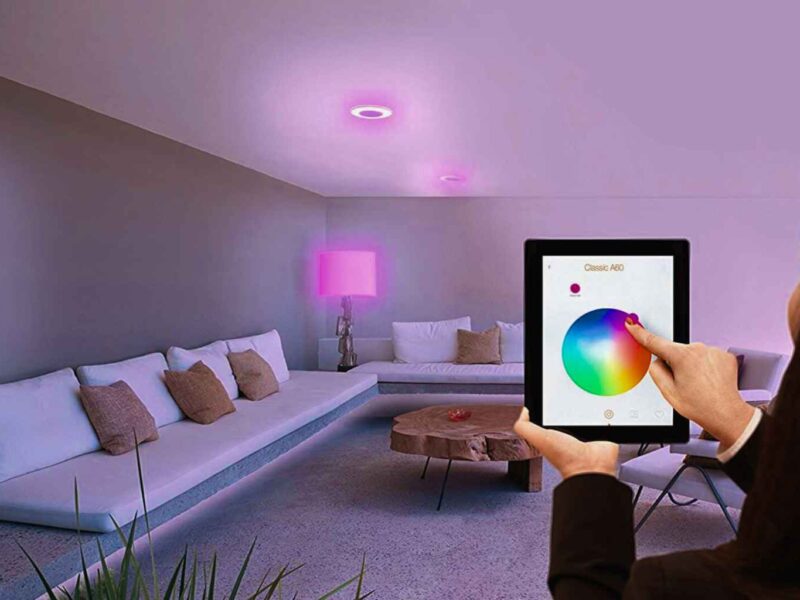
Telecommunications Cellular and other wireless systems combined with internet access allow control of HVAC systems remotely. Homeowners can change temperature settings on their way home from work or while traveling. This feature increases convenience and saves energy.
3. Improved Energy Efficiency
Energy savings remains one of the largest catalysts for connected HVAC adoption.
Key efficiency advantages include:
- Occupancy based temperature control (automatic heating and cooling of room based on occupancy)
- Weather responsive climate control
- Real time energy consumption tracking
- Optimized heating and cooling cycles
- Reduced energy waste
These are not only cost-saving, but also reduce CO2 emission.
4. Predictive Maintenance and Reduced Downtime
Smart HVAC systems utilize sensors to warn users of performance issues from the early stages. It means maintenance teams are given notice when parts start to show signs of wear, instead of waiting for them to breakdown.
- Early fault detection
- Automated maintenance scheduling
- Reduced repair costs
- Extended equipment lifespan
- Improved system reliability
Predictive maintenance increases operational efficiency.
5. Incorporation and Integration in Smart Homes and Buildings
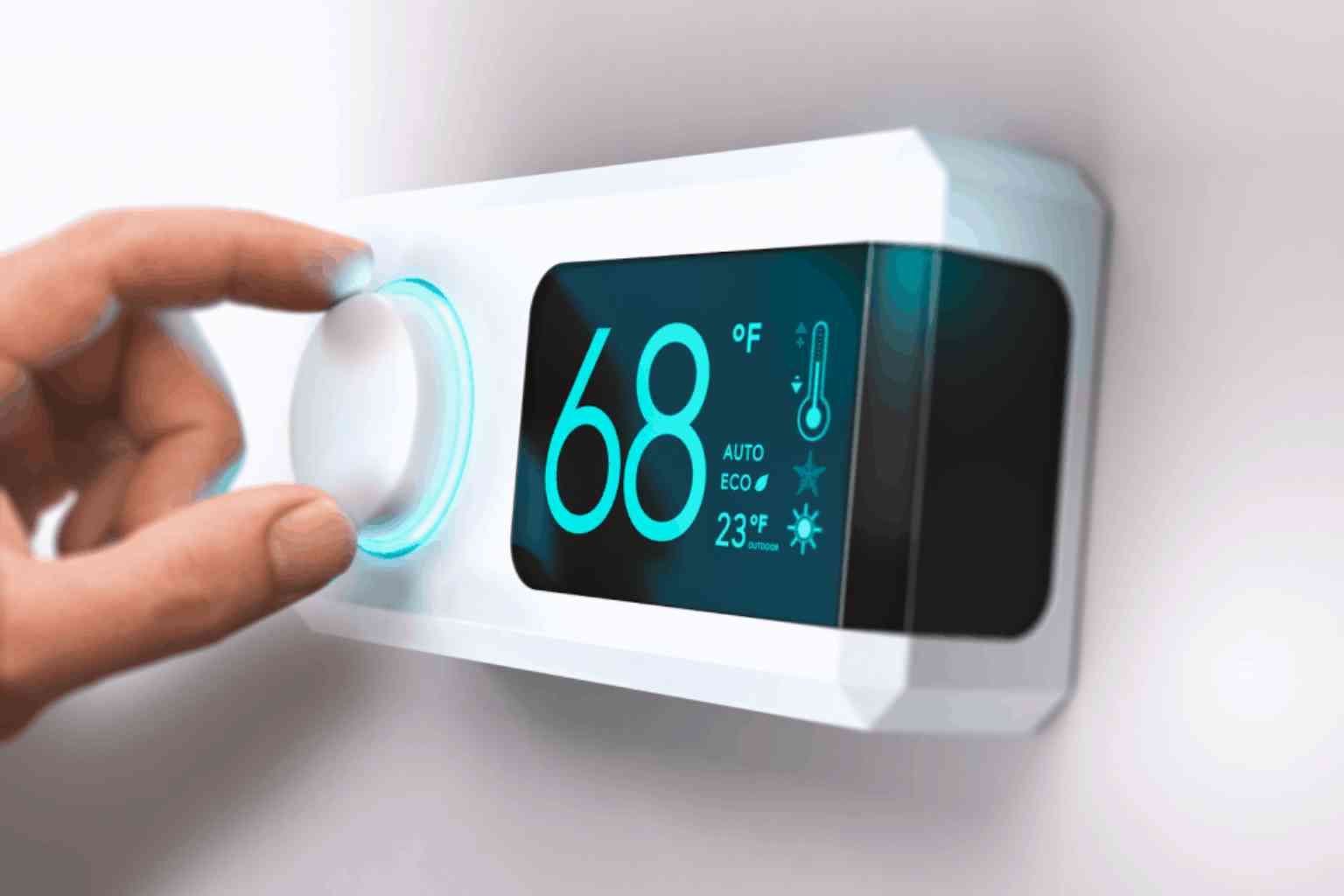
Smart thermostats bring several clear benefits. They connect with smart‑home systems, talking to lights, security devices, and occupancy sensors to adjust comfort automatically. In larger buildings, they link into management dashboards, letting facility teams oversee multiple HVAC units at once. This saves energy, reduces costs, and makes climate control more efficient.
6. AI Powered Climate Optimization
An AI calculates usage patterns and environmental specifics to learn your preference. The system will continue to automatically optimise its settings over time ensuring maximum comfort and minimum energy usage. Optimization based on AI will ensures long term efficiency.
7. Sustainability and Environmental Impact
Interconnected HVAC solutions contribute to sustainability efforts through lower energy usage. Some systems also connect with green energy units like solar panels. Smart controls also make sure that energy is used efficiently and responsibly.
8. Facts and Figures for Facility Managers
Detailed analytics can be particularly useful to commercial property managers. Energy dashboards allow instant look into energy trends, peak use hours, and equipment performance. Such insights aid the strategic planning and cost management.
9. Challenges and Security Concerns
With HVAC systems getting connected, cybersecurity becomes important. Protecting the data, and keeping it from unauthorized access is a priority. Decent encryption and regular software updates mean security is taken care of.
10. The Future Outlook
Connected HVAC systems of tomorrow will involve more AI, greater automation and a wider presence in both residential and commercial applications. Smart HVAC solutions may even become the norm in future instead of a ‘nice-to-have’, as technology costs decrease and energy efficiency-conductive regulations ramp up.
Key Takeaways
Train you heating and cooling system AOSmith Internet of Things hvac Image credit: Pixabay In short A digital HVAC system revolution is coming. They add comfort, save money and help maintain sustainability objectives. Connected HVAC systems will become even more integral to smart homes and buildings as building technologies continue to advance.
FAQs:
Q1. What exactly is a connected hvac system?
It is a connected thermostat that combines heating and cooling system control into one convenient device.
Q2. Are smart heating and cooling systems energy efficient?
Yes, they improve performance and reduce wasteful energy consumption.
Q3. Can I remotely control smart HVAC systems?
Yes, many systems are accessible remotely via mobile apps.
Q4. Are connected HVAC systems secure?
When properly designed and kept up-to-date they are safe.
Q5. Are smart HVAC systems expensive?
Upfront costs might be more, but over time the savings usually make up for that expense.