Heavy transport has long depended on diesel engines for strength and long‑distance hauling, dominating freight, construction, and mining. Now, electric trucks are emerging as a serious alternative. Governments push for lower emissions, and companies aim for sustainability, making electric power look like the future. The big question is whether these trucks can truly replace diesel in the toughest, most demanding transport jobs
1. How Diesel Trucks Took Over, and Why They Won’t Be Dethroned
Diesel engines provide relatively high torque, long range and rapid refuelling. They are trustworthy for long highway treks and potentially heavy loading. Diesel trucks are practical and convenient for logistics companies: The global fueling network is already in place.
2. How Electric Trucks Work
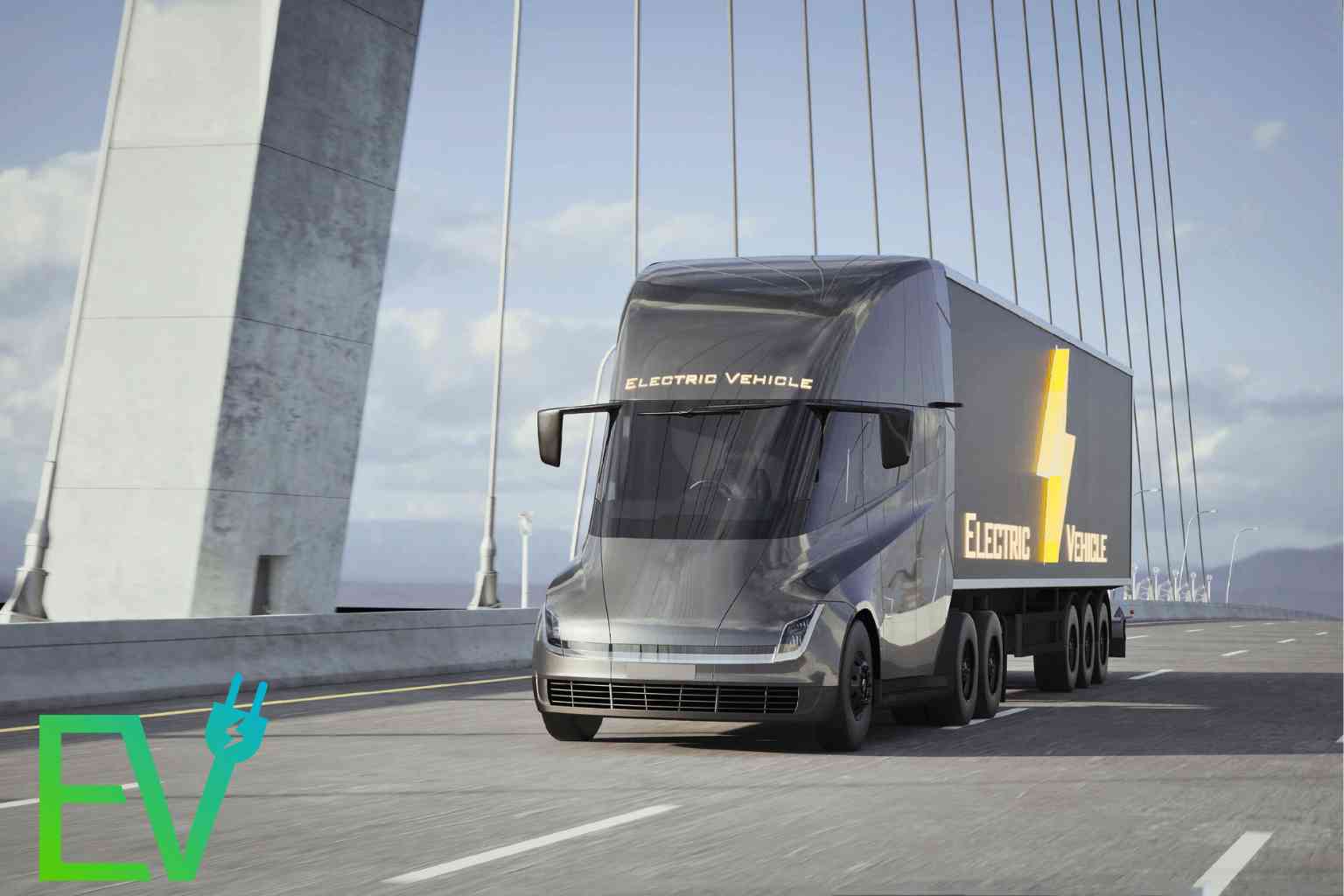
Electric trucks rely on big battery packs to drive electric motors. They offer immediate torque, great when you’re hauling a heavy load. Charge can be carried out in depots, or by means of public fast charging stations depending on fleet configuration.
3. Environmental Benefits of Electric Trucks
Electric trucks emit no tailpipe pollution, helping reduce air pollution in cities and on highways. Their total carbon emissions are much lower than diesel trucks when run on renewable energy.
Key environmental advantages include:
- Reduced greenhouse gas emissions
- Lower noise pollution
- Cleaner urban air quality
- Improved sustainability goals for companies
- Support for government climate targets
These benefits drive adoption.
4. Range and Charging Challenges
Among the biggest challenges is range. Diesel trucks can go a long way on one tank. Today there are electric trucks with limited ranges based on battery size and the weight of the load. For one thing, it takes time to charge a big battery as well as high-power infrastructure.
5. Infrastructure and Investment Needs
Changing over from diesel-powered trucks to electric ones is a significant infrastructure challenge.
- High capacity charging stations
- Stronger power grids
- Depot based charging systems
- Investment in renewable energy integration
- Smart energy management systems
Those investments are necessary to scale electric truck fleets.
6. Total Cost of Ownership Comparison
Electric trucks typically cost more up front than diesel trucks. But costs can also be cheaper, thanks to less fuel- and fewer moving parts. The initial investment of water efficient technology may be offset by maintenance savings and energy efficiency.
7. Performance in Heavy Duty Applications
Electric motors have immediate torque, good for heavy lifting. Battery weight, however, of course cuts into cargo space. And under severe conditions such as long distance cross country transport, diesel now holds an edge in both reliability and convenience.
8. Government Policies and Regulation Roles
Emission standards around the globe are getting tighter. Incentives, subsidies and zero-emission mandates help incentivise companies to take on electric trucks. Regulation-induced pressure may also hasten the move away from diesel in some areas.
9. Hybrid and Transitional Solutions
The change will not occur overnight. Cross-over models, as well as alternative fuels can be intermediate solutions. Companies will be more likely to use electric trucks for short haul and urban routes but not so likely for long haul work.
10. The Future of Heavy Transport
Electric trucks are also gaining momentum, particularly for urban delivery and regional transportation. Battery technology and ultra fast charging should close the gap with diesel over time. Although diesel will not go away overnight, electric trucks are poised to have an increasing presence in heavy transport.
Key Takeaways
Electric trucks have significant environmental advantages and operating cost savings but are challenged by range, charging time and infrastructure. Diesel still rules for long-haul heavy transport, but electric technology is advancing quickly. Heavy transport’s future may unfold not as a wholesale replacement of diesel by electric but in an incremental transition, where the new replaces the old in some applications early, and others eventually.
FAQs:
Q1. How far can electric trucks go versus diesel trucks?
Diesel trucks currently have longer range, although the electric range is improving.
Q2. Do electric trucks cost less to operate?
They can also be more fuel-efficient, and maintenance costs can be lower over time.
Q3. Is the charging infrastructure up to snuff for heavy trucks?
Fi Not really, it still needs some major upgrades from where it’s at.
Q4. Will diesel trucks disappear soon?
Not overnight of course, it will be a slow transition.
Q5. Are electric trucks greener?
Yes, particularly when driven by renewable energy.