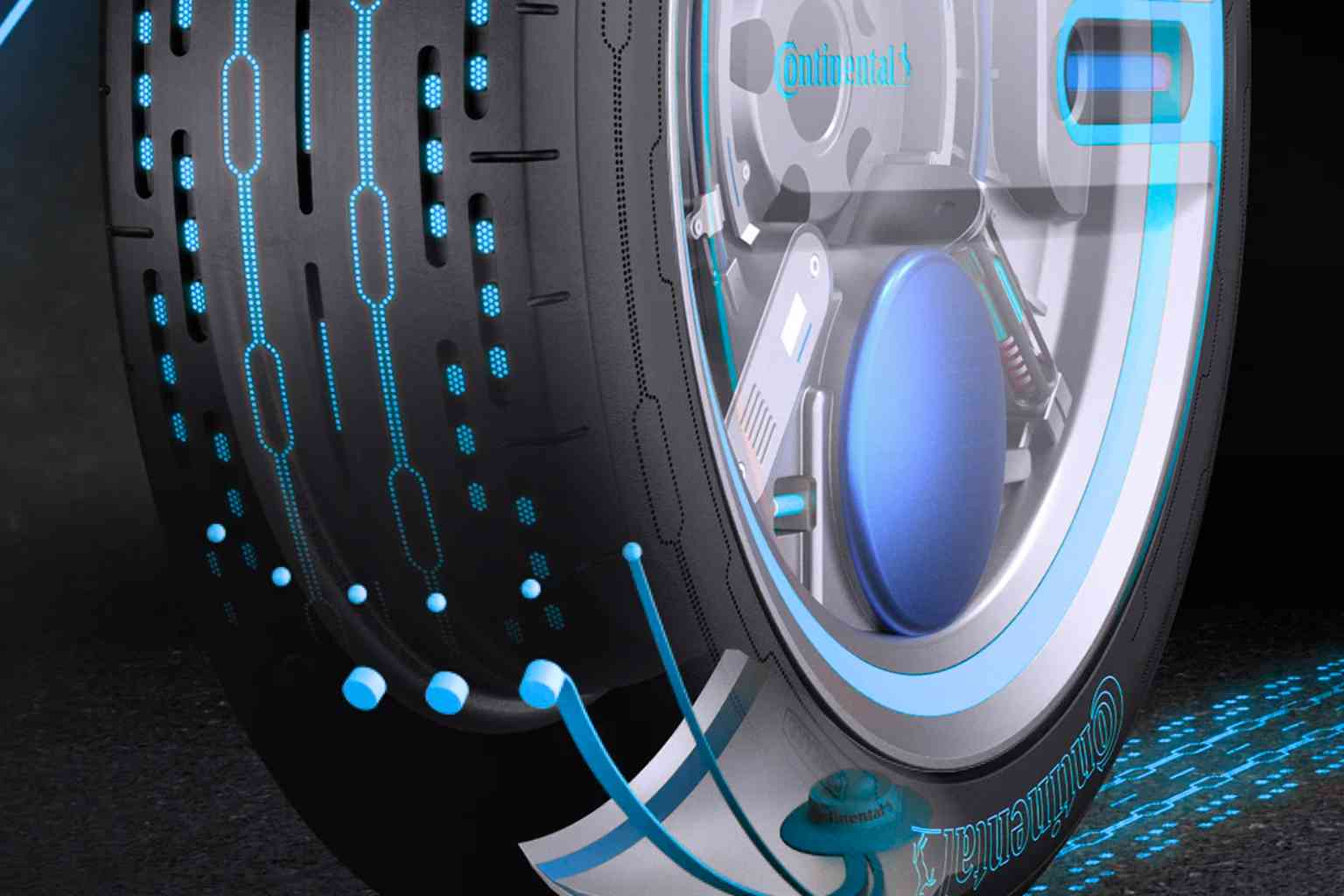
Every year, cars are getting smarter and smarter. Between self-piloting capabilities and connected dashboards, cars are becoming smarter. One of the current trends getting buzz are smart tires. Smart tires, unlike conventional tires, contain sensors and use digital technology to transmit data about road conditions, tire health and driving behavior in real time. This breakthrough could greatly enhance safety, fuel savings and vehicle dynamics.
1. What Are Smart Tires
Smart tires are the new-generation of tires which have been installed with sensors to measure data as you drive. They keep a tab on the overall health of your tires including air pressure, temperature, tread wear and road condition. Second, the data is sent to your vehicle’s system (or a synced app) for you to make sense of it.
2. How Real Time Monitoring Works
Smart tires have tiny sensors that watch how the car moves, how much grip the tires have, and what the road is like. This information goes to computers in the car or online systems. Drivers get quick alerts or advice, so they can change speed or driving style to match the road and stay safe.
3. Road Condition Detection Capabilities
Among the most remarkable features is how smart tires can feel the road. They can read wet roads, ice patches, potholes and rough surfaces. This makes it possible for vehicles to automatically respond – or alert drivers to hazards ahead.
4. Safety Benefits of Smart Tires
Safety is the primary reason why smart tires are growing in popularity.
Key safety advantages include:
- Early detection of the low-pressure of tire
- Alerts for overheating tires
- Real time grip monitoring
- Reduced risk of blowouts
- Better traction control support
These characteristics provide for a decrease in accidents due to tire failure.
5. Improved Fuel Efficiency and Performance
Proper inflation of tires saves on gas. Smart tires are in constant vigilance, advising of tweaks to pressure. Optimally pressurized tires minimize rolling resistance, so the vehicle uses less energy and performs better.
6. Support for Autonomous Vehicles
As autonomous cars develop, smart tires are among the crucial technology. Autonomous systems rely on accurate road condition information. Smart tyres give vehicles more data to drive more safely.
- Improvement in brake system grip data
- Accurate surface condition detection
- Improved stability control
- Data sharing with vehicle sensors
- Safer navigation in extreme weather
This combinatio is helpful to the advanced driving system.
7. Predictive Maintenance Advantages
Smart tires can tell drivers when they need repair or replacement. Instead of waiting for visible damage, sensors give real data alerts. This helps prevent sudden failures and makes tires last longer
8. Integration With Connected Car Systems
Today’s cars with more connectivity are tied to cloud-based platforms. Smart tires can also communicate performance data to fleet managers or service bays. “It’s especially valuable for logistics companies with high volumes of vehicles working in field.
9. Cost and Adoption Challenges
They’re still more expensive than regular tires. To be widely adopted, the cost needs to come down and there must be mass production. Though, prices should become more reasonable with the advent of techlash.
10. What’s Next in Smart Tire Tech
Smart tire is a baby technology now. It is possible in future iterations that the tire may employ self inflated air pressure, next format materials, and deeper ties into vehicle AIs. With road safety and automation getting better, intelligent tires will probably be one of the standard issue equipment in your next car.
Key Takeaways
The Department of Smart Tires” are revolutionizing car safety and performance They’re smart tires, as the US they keep tabs on road conditions in real-time. They enhance safety, fuel economy and predictive maintenance for autonomous driving systems. While smart tire adoption is still on the rise, smart tire tech is certainly one of the biggest leaps towards safer, smarter transportation.
FAQs:
Q1. What are smart tires?
They are tires embedded with sensors that track tire and road conditions instantly.
Q2. Do smart tires improve safety?
Yes, they give us early warnings about pressure and temperature not to mention oh, a road hazard.
Q3. Are smart tires expensive?
As of now, they’re more expensive than standard tires, although the cost may come down in time.
Q4. Can smart tires detect when the road is wet?
Yes, the can feel wet, icy and bumpy surfaces.
Q5. Will intelligent tires be standard on all vehicles?
More are anticipated as technology advances.