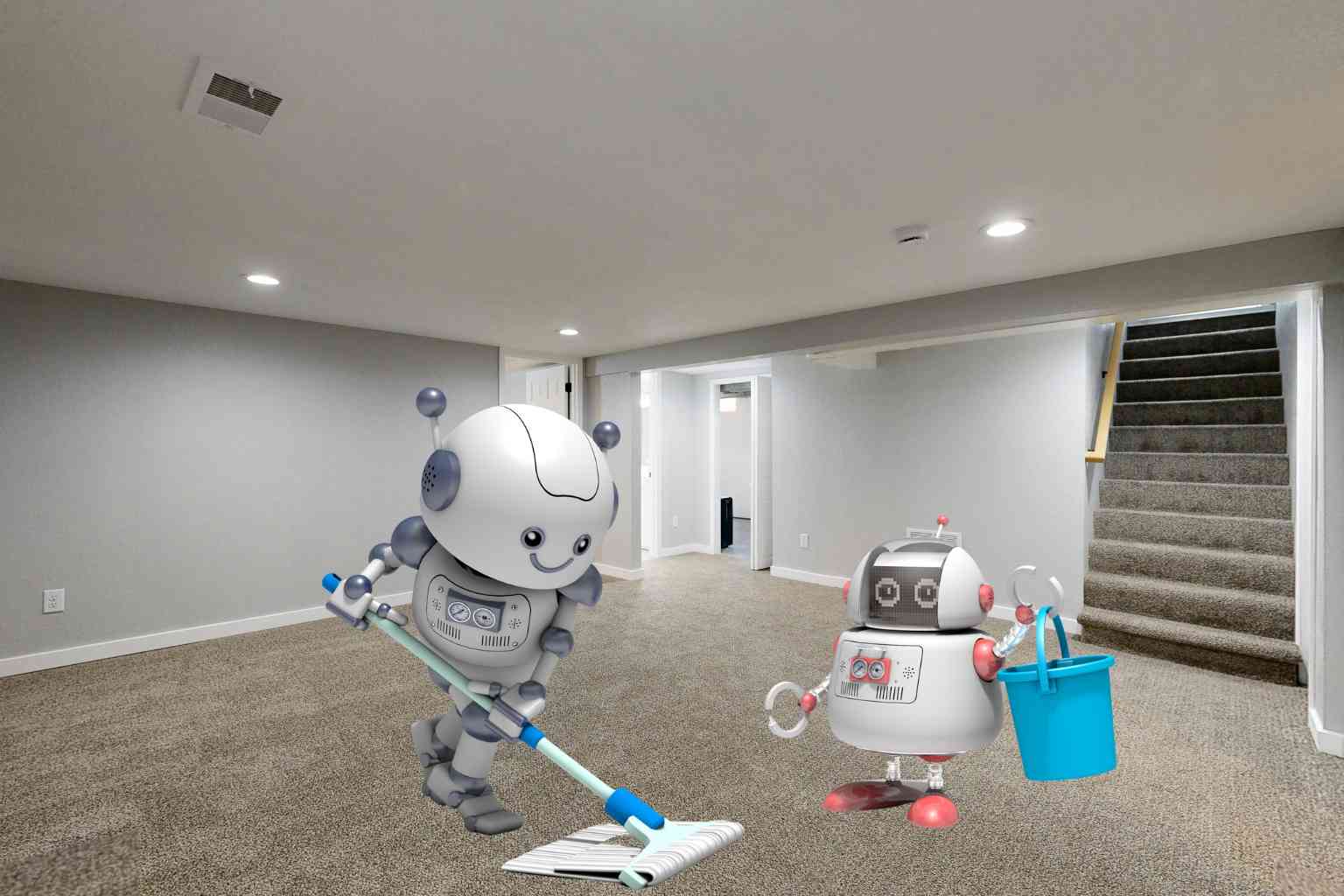
Roboticism is not just for factories and labs anymore. It has stepped into homes and is slowly changing the way we do routine tasks inside them. Shall we Dancingшлюхи москвы From robotic floor cleaners to smart kitchen gadgets, the category has become not only more sophisticated but increasingly accessible to consumers. With robot technology getting more and more advanced, robots are changing from luxury goods to tools which are useful features around the house.
1. How Household Robotics Has Evolved
The base-level home robots were little more than novelty items. Robotics as we know it is the amalgamation of artificial intelligence, sensors and automation for doing complicated tasks. Today’s household robots can roam through rooms, even if they don’t always make it out of them. Some claim to be able to avoid obstacles and learn users’ preferences.
2. Cleaning Robots Leading the Way
Household robotics are as yet best represented by robot vacuum cleaners. These devices are equipped with sensors and mapped technology to automatically clean floors. More advanced models can also mop, sense the level of dirt and modify cleaning modes depending on room shape.
3. Kitchen Automation and Smart Cooking
Robotics is also entering kitchens. Smart devices that automate cooking steps, measure ingredients or even check temperature perfectly are on the rise. This eliminates the need for human effort and guarantees of consistent results. Cooking appliances are especially convenient for busy families.
4. Laundry and Maintenance Assistance
Robots are making it easier to do laundry and maintenance.
Key examples include:
- Automated washing and drying systems
- Robotic lawn mowers
- Window cleaning robots
- Pool cleaning robots
- Smart ironing devices
These apparatuses save time and reduce physical exertion.
5. Applications of Robotics in Everyday Life
Household robots offer several advantages. They also make it possible to have time for more enjoyable things, instead of having to do the leg-work. Robotic assistance may particularly benefit the elderly and individuals with movement limitations for enhancing independence and safety.
6. Smart Integration With Home Systems
Contemporary robots pair with smart home networks. The devices can be controlled via mobile apps or voice assistant.
- Scheduled cleaning routines
- Remote monitoring
- Voice controlled commands
- Energy efficient operation
- Data based performance tracking
This integration makes automation seamless.
7. Time Saving and Productivity Gains
One of the key drivers behind the decision to implement domestic robots is time saving. Families can focus on organized projects, hobbies or leisure while your house is being auto-cleaned. Multi-tasking with less hands on also is better for productivity throughout the day.
8. Cost and Accessibility Challenges
Even with declining prices, high-end household robots may be costly. And maintenance, repairs and software updating may increase costs. But with production ramps and competition, cost continues to drop.
9. Privacy and Data Concerns
Smart robots learn from experience to perform better, just like humans. This gives rise to concerns about privacy and data security. The ecosystem needs to ensure aggressiveness in protective mechanisms and openness in policies, for maintaining user confidence.
10. The Future of Robotics in the Home
In the future, we might own robots that can do different kinds of chores around the house. Robots will become more adaptive and personalized, as artificial intelligence and machine learning tools advance. With advancement in technology, robotic help may be a common part of every household across the globe.
Key Takeaways
More and more, robots are revolutionizing house work by making it quicker, smart and convenient. This transformation is being driven by cleaning robots, kitchen automation and intelligent maintenance systems. But as price and privacy remain issues, advancements are dragging home robotics into feasibility for the modern family.
FAQs:
Q1. What are some types of domestic robots?
Robots vacuuming, mowing the lawn, washing windows, etc., are all popular.
Q2. Do household robots save time?
Sure, they automate routine tasks and may increase efficiency.
Q3. Are household robots expensive?
Prices can vary, but basic models are becoming more affordable.
Q4. How safe are smart home robots?
Yes, If used as per manufacture detail.
Q5. But does it have a plan for when every household chore will be performed by robots?
Not entirely, but they will do more and more as technology improves.