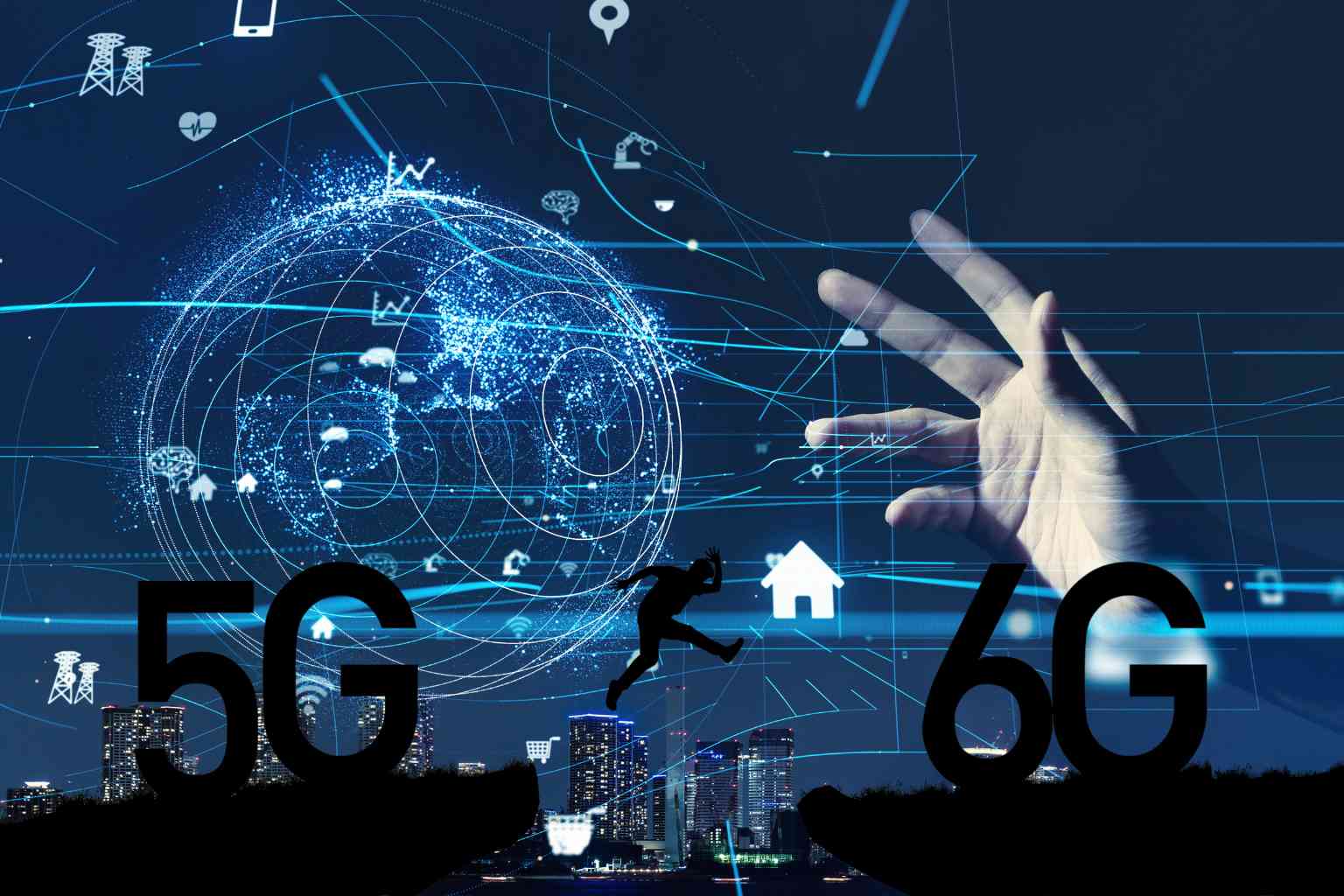
That is the reason why smart cities are built on connectivity. Whether we are talking about traffic systems, energy grids and health or safety solutions –any smart solution relies on fast and secure communication networks. This is why 5G and the future 6G tech matter so much. These next-generation wireless networks are about more than just making your phone work better. They are the digital spine through which cities can achieve greater efficiency, sustainability and responsiveness.
1. What Makes a City Smart
Smart cities use digital technology, sensors and data analytics to improve public services and the urban environment. Green: traffic lights control themselves; refuse bins that register when they are full and avoid them to overflow, energy use thanks to smart grids that can be adjustable on demand. All of them require high speed low latency communication to operate.
2. How 5G Is Changing the Cityscape
5G is a lot faster and has lower lag times with the current networks. It can accommodate thousands of devices all packed in together, without getting bottlenecked. For smart cities, this implies communication among sensors, vehicles, public transport and control centers (in real time).
3. Supporting Massive IoT Networks
Internet of Things devices are critical to smart city applications. These range from air quality, water levels, traffic flow and energy usage sensors.
Some of the main advantages 5G has for IoT are:
- High device connectivity capacity
- Low latency communication
- Reliable real time data transfer
- Energy efficient network design
- Improved coverage in dense urban areas
This is what will make 5G so efficient for such large Smart City rollouts.
4. Traffic and Transportation Management
5G will make connected cars and smart traffic systems possible. Instant communication contributes to the reduction of traffic jams and enhanced road safety. Ambulances could be given priority signals, and public transport systems can adjust routes in real time according to congestion.
5. Public Safety and Emergency Response
Premium connectivity ensures faster emergency responses. Surveillance cameras, drones and sensors send data instantaneously to command centers.
- Faster incident detection
- Real time video streaming
- Coordinated emergency communication
- Remote monitoring of disaster zones
- Improved disaster management planning
These capabilities enhance urban safety.
6. Smart Energy and Utility Systems
Smart grids that monitor and adjust electricity usage are enabled by 5G networks. Leaks are detected in water management systems too. The food waste is reduced significantly by monitoring in real-time, improving the sustainability among cities.
7. The Emerging Role of 6G
Even though 5G is still being deployed across the world, 6G is in the research stages already. 6G aims to deliver even faster speeds, and ultra low latency, as well as bringing artificial intelligence into the equation. It could facilitate holographic communications, sophisticated automation and more thorough digital integration of urban systems.
8. Economic Growth and Innovation
Very fast networks draw technology firms and startups. 5G and 6G-powered smart city infrastructure drives mobility, healthcare and digital services innovation away from traditional IT. This generates new employment and economic opportunities.
9. Challenges in Deployment
The investment in 5G and the next generation of network infrastructure, 6G, will be extensive. Privacy and Security are of great concern here. Security of networks as cities grow connected is non negotiable.
10. The Next Big Thing in Urban Living
As cities become smarter, they will also become more resilient. The sharing of data in real time will result in better planning, less congestion, cleaner energy and more effective public services. 5G is building the foundation, and 6G will help bring smart cities to a whole new level.
Key Takeaways
Smart cities are already becoming a reality with 5G providing faster, reliable connections, catering for mass IoT deployments and enhancing public services. 6G envisages even more advanced features that will augment automation and digital integration. Taken as a whole, these technologies comprise the communication infrastructure that makes modern city development efficient, safe, and sustainable.
FAQs:
Q1. Why 5G is critical to smart cities
It becomes high-speed backbone for sensors, instruments and public systems.
Q2. Q: What can we do in 6G that we couldn’t do before in smart cities?
6G could provide ultra fast speeds and deeper AI integration.
Q3. Are smart cities possible even without 5G?
They could, but you would sacrifice performance and efficiency.
Q4. Is 6G already available?
No, it’s still in the R&D phase.
Q5. Are there dangers from 5G in your city?
Yes, data security and infrastructure costs are significant barriers.