For years and for generations, screens have become the dominant interface between us humans and our digital content. From TVs and computer displays to smartphones and tablets, the past few decades have seen revolutionary changes in the way we view information. But mixed reality is overhauling that experience. Through mixing digital with the physical, mixed reality has become a more immersive environment than anything on flat TV screens. As hardware gets better and cheaper, mixed reality may increasingly replace many of today’s dedicated display technologies.
1. What Is Mixed Reality
Mixed reality encompasses both augmented reality and virtual reality. It superimposes digital objects over the real world, but lets users interact with them as if they are part of their own environment. Traditional screens confine content to rectangles on the screen, mixed reality can bring that content into the real world.
2. Limitations of Traditional Displays
Flat screens have limits. They only give one fixed size and usually tie you to a single device. They also take up space and make multitasking harder. As more work moves into digital spaces, simple flat displays may not be enough in the future.
3. Immersive Work Environments
Mixed reality can spawn virtual workspaces with floating screens in the air. Professionals can resize, move and interact with digital windows without the need for physical monitors. It makes for an easier productiver work life, and less hardware clutter.
Advantages of work in the project are:
- Unlimited virtual screen space
- Enhanced collaboration tools
- Real time 3D visualization
- Interactive design capabilities
- Remote meeting immersion
This transforms how teams collaborate.
4. Entertainment and Media Transformation
In mixed reality, you can play games both on and off the screen. It’s not like you watching on a screen — it’s in your world. This increased level of engagement impacts how people consume entertainment.
5. Education and Training Applications
There’s so much that mixed reality can offer education. Students are able to investigate virtual laboratories, peninsular simulations and 3D models situated in real space.
- Interactive science demonstrations
- Medical training simulations
- Virtual field trips
- Engineering design practice
- Hands on digital learning experiences
The learning process is also more pragmatic and entertaining.
6. Space Saving and Portability
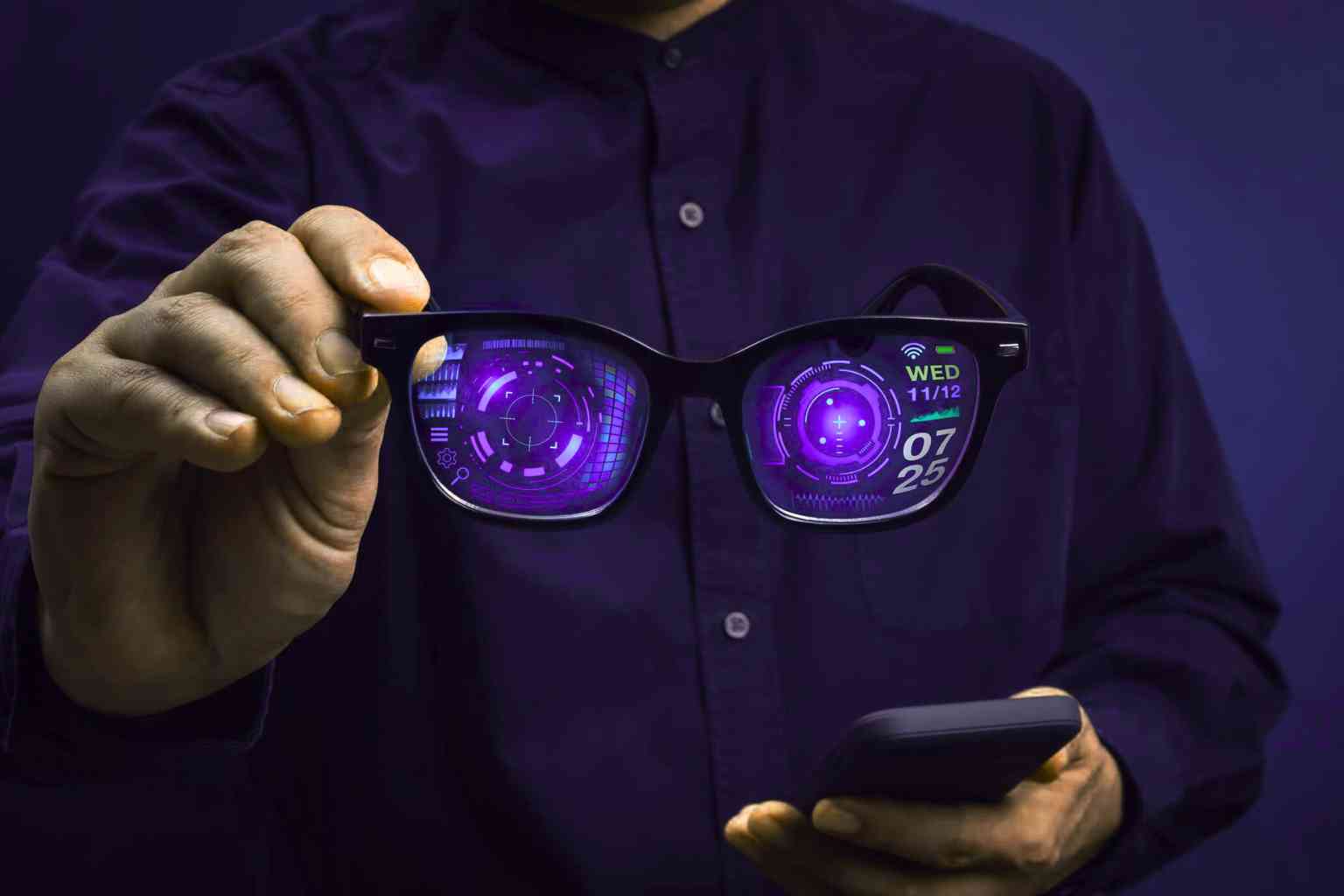
Convention displays are bulky and require physical space for setup. Mixed reality products (like headsets or smart glasses) could substitute multiple monitors. For a lot of use cases, it can be a dream to have instead of TVs, projectors and computer screens: A physically light wearable screen.
7. Integration With Smart Environments
As smart homes and smart offices grow, mixed reality can interconnect with the Internet of Things. Lighting, appliances and data dashboards can be operated with holographic interfaces in place of physical screens.
8. Challenges Facing Mixed Reality
But while the promise is there, mixed reality has its challenges. Cost of hardware, battery life, wearability and that there needs to be more focussed on content are the downsides. I think also user adoption, it will take time for people to get adapted to the immersive technologies.
9. 5G and Beyond Networks
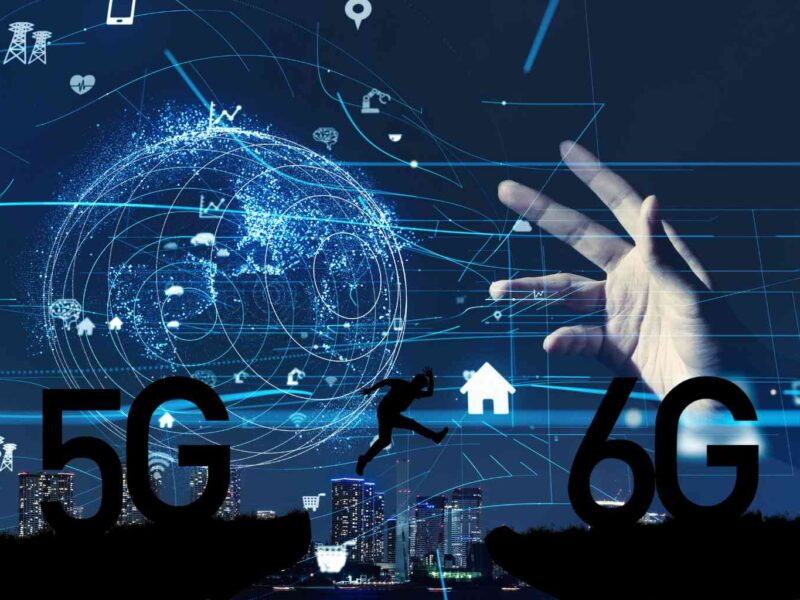
Mix realty experiences are enabled with high speed connectivity on the likes of 5G and next wave 6G networks. Low latency communication enable streaming and real time interaction to support comfortable cloud powered mixed reality.
10. The Future Beyond Screens
Traditional display systems aren’t going to go anywhere for some time, yet we can expect mixed reality to be the future of digital interaction. But, if the devices become smaller, cheaper and more powerful, mixed reality could one day replace traditional screens in work, entertainment and learning.
Key Takeaways
Mixed reality superimposes digital information and objects onto the real world, going beyond what’s possible in virtual reality on a flat screen. It provides immersive workspaces, premium entertainment and engaging learning. There are technical hurdles to overcome, but continued innovation and faster connectivity could see mixed reality become a mainstream display technology in the future.
FAQs:
Q1. What is mixed reality?
That is really tech that merges the digital world with reality for fun engagement.
Q2. Will mixed reality take over all the traditional screens?
Not right away, but it could cut reliance on physical displays over time.
Q3. Is mixed reality expensive?
Right now, it isn’t cheap, but prices are likely to come down.
Q4. How is mixed reality being used in the workplace?
It produces virtual workspaces based on flexible and interactive screens.
Q5. Is high speed internet required for mixed reality?
Yes, faster networks increase performance, and real time interaction.