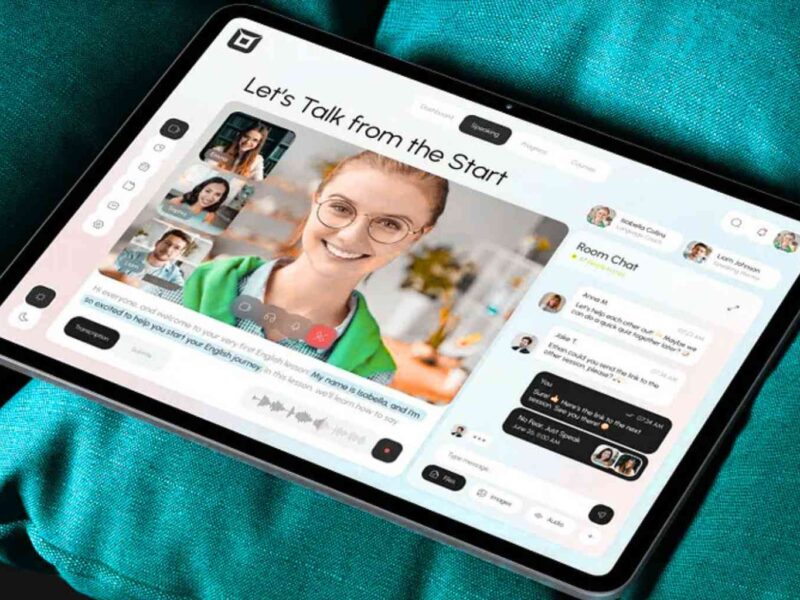
Modern life is fast paced. With work, family and personal commitments, adults may not have time for long training programs or to sit in a classroom. And this is where microlearning is trending. Microlearning is when lessons are easily digestible, bite-sized chunks that can be processed in approximately 5 minutes. No longer sitting in a classroom for hours on end, learners are receiving and consuming bite sized content via mobile apps, short videos or interactive modules. This is a flexible way to work around already busy people’s schedules.
1. What Is Microlearning
Microlearning is a method of learning dealing with relatively small learning units and short-term learning activities. One idea, or skill is addressed in each lesson. There is very little rational behind it, It’s just to make them learn fast but not crazy.
2. Why Busy Adults Learn Best in 12 Minutes
Adults often balance multiple responsibilities. The lengthy programs may seem daunting or time-consuming. Microlearning can enable short learning activities during short breaks, on travels or in brief idle times. The added flexibility means more people are able to attend and on a more consistent level.
3. Better Retention Through Focused Content
Short lessons improve memory retention. This is because the brain processes more effectively when it’s fed bits of information. The concept itself focuses on scaled down learning and microlearning that already played a huge role as it supports better actual consumption of content while minimizing cognitive overload.
Key retention benefits include:
- Clear and concise explanations
- One Source At A Time Focus on a single goal at a time
- Repetition through quick reviews
- Easy revision anytime
- Reduced mental fatigue
These are the characteristics of long term learning.
4. Mobile Technology Driving Growth
Microlearning is readily available on smartphones and tablets. Short videos, quizzes and audio lessons that can be done almost anywhere are available on learning platforms. And by push notification, users are regularly reminded to keep learning.
5. Corporate Training Adoption
Many companies employ microlearning for training their employees. Instead of offering workshops that are long and require employees to carve out time from their schedules to participate, companies serve up short modules — say, four minutes apiece that employees can handle during downtimes between tasks.
- Quick compliance training
- Skill updates in small segments
- On demand knowledge refreshers
- Performance tracking through apps
- Flexible learning schedules
This approach improves productivity.
6. Encouraging Skills and Career Development
Moreover, it allows adults to upgrade their skills without having to leave work. Whether it is learning a new language, or improving communication, or picking up some professional skills – all far more palatable if done in bite-sized chunks.
7. Cost Effective and Time Efficient
Conventional courses may involve displacement and materials costs, as well as substantial time investments. Why microlearning is cheaper and faster. Students pay for individual modules and concentrate solely on the necessary skills.
8. Encouraging Lifelong Learning
The concept of microlearning can be aligned with the notion of perpetual improvement. Adults don’t have to wait for courses to make progress: by learning in little daily steps. It’s a gateway to lifelong learning.
9. Challenges of Microlearning
As convenient and as useful as microlearning can be, it may not ultimately supplant deep, broad education. For complex subjects, you need longer study sessions. Best Practice In combination with the other solutions You can relate microlearning best to wider learning strategies.
10. The Future of Adult Learning
Microlearning will only rise as digital platforms continue to expand. Personalized content, AI recommendations and interactive tools are going to make short lessons that much more effective. For time-strapped adults, microlearning provides a convenient and efficient way to continue learning.
Key Takeaways
Microlearning is becoming more popular because it’s something that busy adults can do. Small bite-sized lessons that keep retention high, stress low, and allow progress to always be moving forward. It isn’t a direct substitute for long-term learning, but gives us a practical means of maintaining and continuously building knowledge in the ever-changing world we live in.
FAQs:
Q1. What is microlearning?
It is a learning technique which presents small concentrated lessons.
Q2. Is microlearning effective?
Sure, it helps retention if you use it consistently.
Q3. Can microlearning replace traditional education?
Not entirely, but a good supplement to formal education.
Q4. Who benefits most from microlearning?
Busy adults and working professionals are good candidates.
Q5. What is the average microlearning lesson length?
Classes generally run 5 to 15 minutes.