When it comes to developing, designing and managing homes it is the same with all that personal high tech. Homes that think are no longer in the realm of the future. They are becoming increasingly popular in the real estate market. Smart home technology, from high-tech lighting and climate control to advanced security systems, is changing what buyers expect in a new home. In 2026, we have a strong demand of smart home where convenience matters the most.
1. What Defines a Smart Home
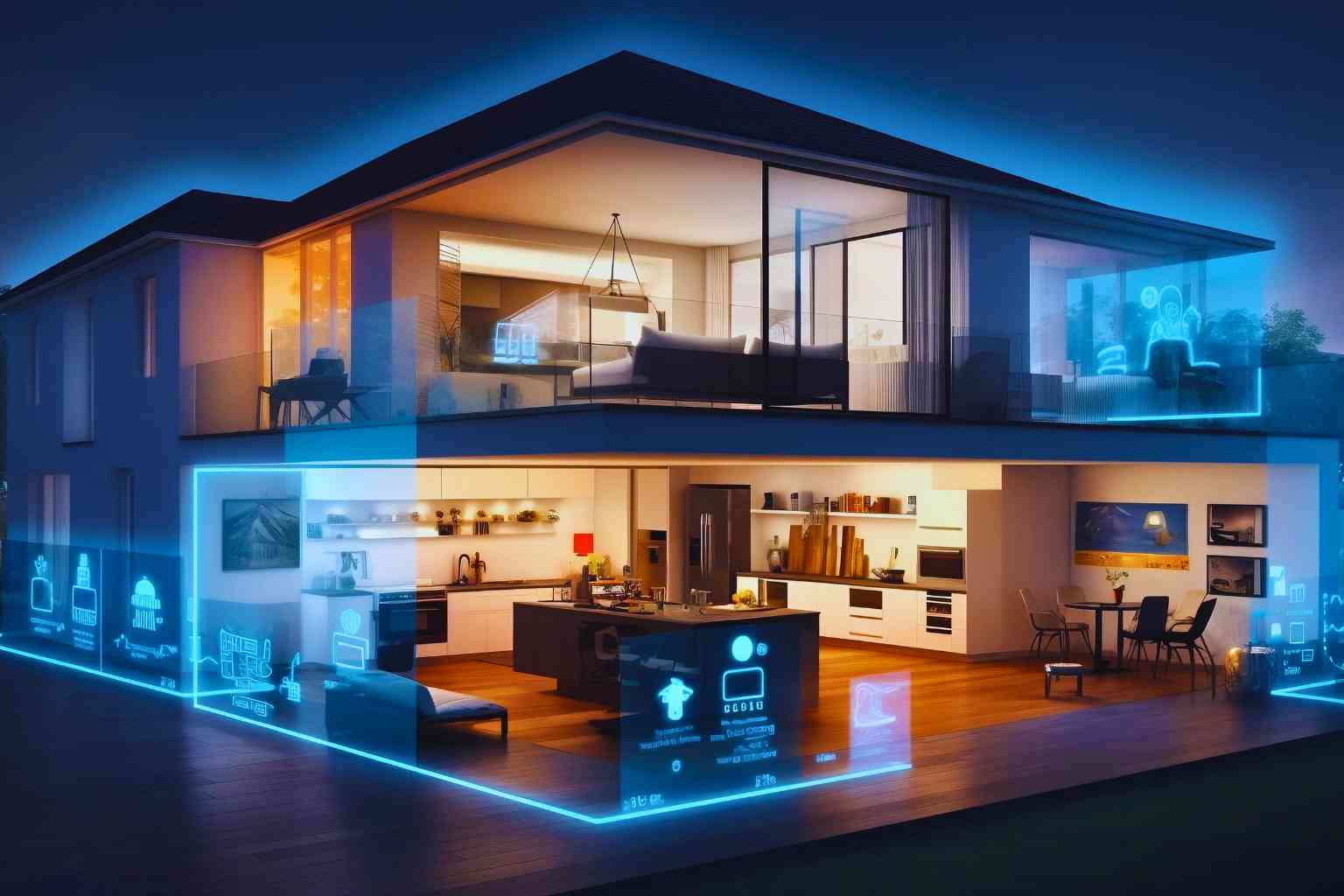
Smart home is a home that uses internet connected devices to enable intelligent, remote monitoring and management of the household systems. These can include powers for lighting, heating, cooling and other appliances; systems for entertainment; and security systems. Many of the systems can be controlled by smartphones or voice-controlled speakers.
2. Increasing Technology Savvy Customer Base
There’s no denying it, today’s consumers want smooth digital experiences. And young professionals and high earners want smart homes. Convenient, modern functionality comes in the form of smart features.
3. Enhanced Security and Safety
Smart security systems is a big draw.
Key security features include:
- Video doorbells
- Remote surveillance cameras
- Motion detection alerts
- Smart locks
- Emergency notifications
With these systems, we can forget about the toilets and have peace of mind because they are monitored in real time.
4. Energy Efficiency and Sustainability
Smart homes also contribute to saving energy. AI powered thermostats regulate temperature based on occupancy, smart lights reduce unwanted electricity consumption. Comfort and savings go hand-in-hand as energy-efficient systems reduce bills and impact on the environment.
5. Convenience and Lifestyle Comfort
Automation simplifies daily routines. Lights can come on automatically at sunset, coffee makers start the minute before you wake up and climate systems change while you are away. Smart homes make us more comfortable and save time.
6. Integration With Connected Ecosystems
- Voice assistant compatibility
- App based device control
- Smart appliance connectivity
- Centralized home management
- Remote access monitoring
Interoperable systems produce frictionless experiences for the user.
7. Impact on Property Value
Smart property tech make your home more attractive. There’s a premium for connected and energy-efficient homes. Developers are putting automation systems into new builds as the spec.
8. Smart Communities and Urban Development
Whole neighborhoods are being planned with technology in mind. Smart parking solutions and digital access systems are moving beyond their basic functionality to form part of an hyper connected living environment.
9. Challenges and Data Security
With homes creating more connections, cybersecurity is important. Protecting personal information and the integrity of networks is critical for trust being maintained in smart technologies.
10. The Future of Smart Living
New builds will come standard with smart home technology. AI, which could also personalize home automation even more. With the costs going down and consumers getting more educated too, smart homes are poised to take over contemporary housing markets.
Key Takeaways
Smart homes are revolutionising the way we think about properties in the 21st century, providing us with a more secure, energy-efficient and convenient living environment. Also, tech powered functions add value to the property and is highly sought after by new buyers. With the constant advancement of technology, smart living is shaping up to be a standard feature in residential projects.
FAQs:
Q1. What is a smart home?
It’s a smarthome with internet of things’ devices throughout for automation and remote control.
Q2. Do smart homes save energy?
Yes, automation can mean that energy is used less wastefully.
Q3. Are smart homes secure?
When you have decent cybersecurity practices, they’re safe.
Q4. Are smart perks really worth building into a home?
Well, they make you more attractive and marketable.
Q5. Are smart homes about to become the norm?
Yes, and they are likely to become ubiquitous in new real estate developments.